The survival of centuries-old ledger books and personal logs offers a rare window into the social frameworks of early gambling houses. Rather than focusing entirely on financial transactions, historic casino records document a complex web of unwritten rules, formal etiquette, and interpersonal relationships. By examining these fragile primary sources, historians can piece together how community expectations and local customs transformed simple card dealing into a highly structured social ritual.
The Direct Impact of Shared Financial Risk
Early institutional archives show that the operational framework of traditional card rooms relied heavily on a shifting distribution of power. Before centralized corporate entities assumed total management of table funds, banking privileges were frequently distributed directly among the participants. This participatory arrangement meant that players took turns bearing the financial burden of the table, creating an atmosphere focused on social accountability and mutual trust.
Logbooks from early European salons frequently recorded the specific names and social standing of individuals who stepped up to hold the bank. This shared vulnerability transformed passive wagering into a highly dynamic community event where personal reputation carried immense weight. Modern enthusiasts seeking a similar variety of table structures can explore digital equivalents through an online platform like the m88 casino to see how classic rules have transitioned into the modern era.
How Spatial Layouts Influenced Strategic Play
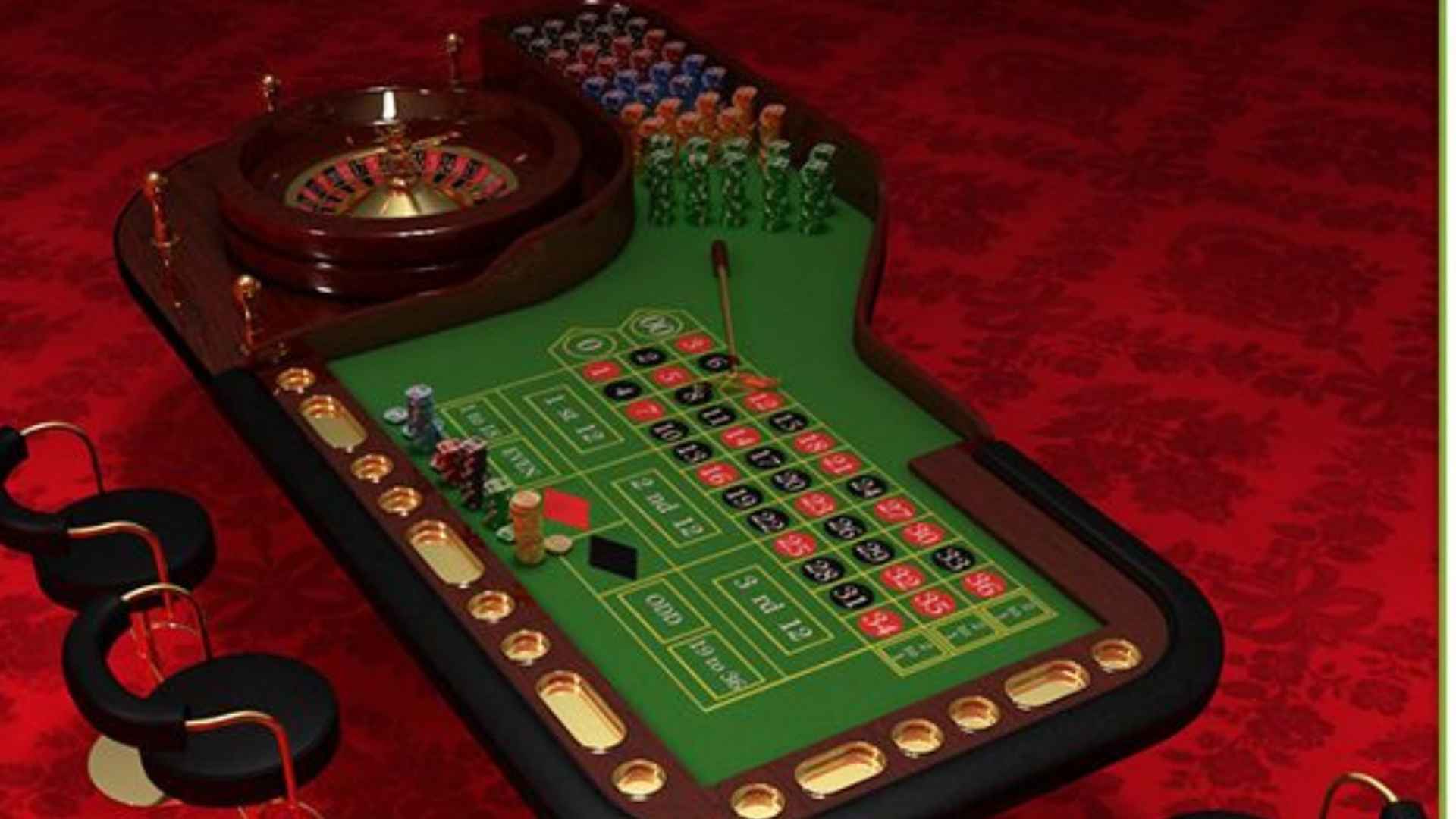
Old floor plans and architectural diagrams preserved within historic records reveal that table setups were never left to random chance. Specialized seating configurations were carefully implemented to manage physical lines of sight, conversational flow, and the timing of player choices. In traditional semi-circular layouts, a participant's exact placement relative to the dealer dictated their overall access to live operational data.
These detailed spatial arrangements created distinct psychological environments that heavily rewarded keen observation over formulaic betting systems. Sitting closer to the final decision points allowed veteran enthusiasts to study table dynamics and monitor the shifting emotional responses of their peers. The preservation of these spatial metrics highlights how physical geometry shaped early tabletop gaming strategy long before digital screens standardized the casino floor.
Preserving Behavioral Expectations and Table Custom
Beyond tracking wins and losses, historic gaming logs frequently detailed specific violations of unwritten behavioral codes. Formal casino records from the nineteenth century show that strict codes of quiet observation, formal physical interactions, and mutual respect were legally enforced by venue representatives. These detailed entries indicate that an individual's table manners served as a critical social metric, separating seasoned noblemen from casual newcomers.
When regulatory frameworks were still developing, maintaining rigorous table etiquette was essential for ensuring transparency and preventing disputes during high-stakes rounds. Croupiers and managers worked diligently to balance architectural elegance with strict spatial control to preserve an atmosphere of sophisticated competition. Studying these historic customs reminds modern researchers that traditional card tables functioned primarily as prestigious gathering points built around face-to-face interaction.