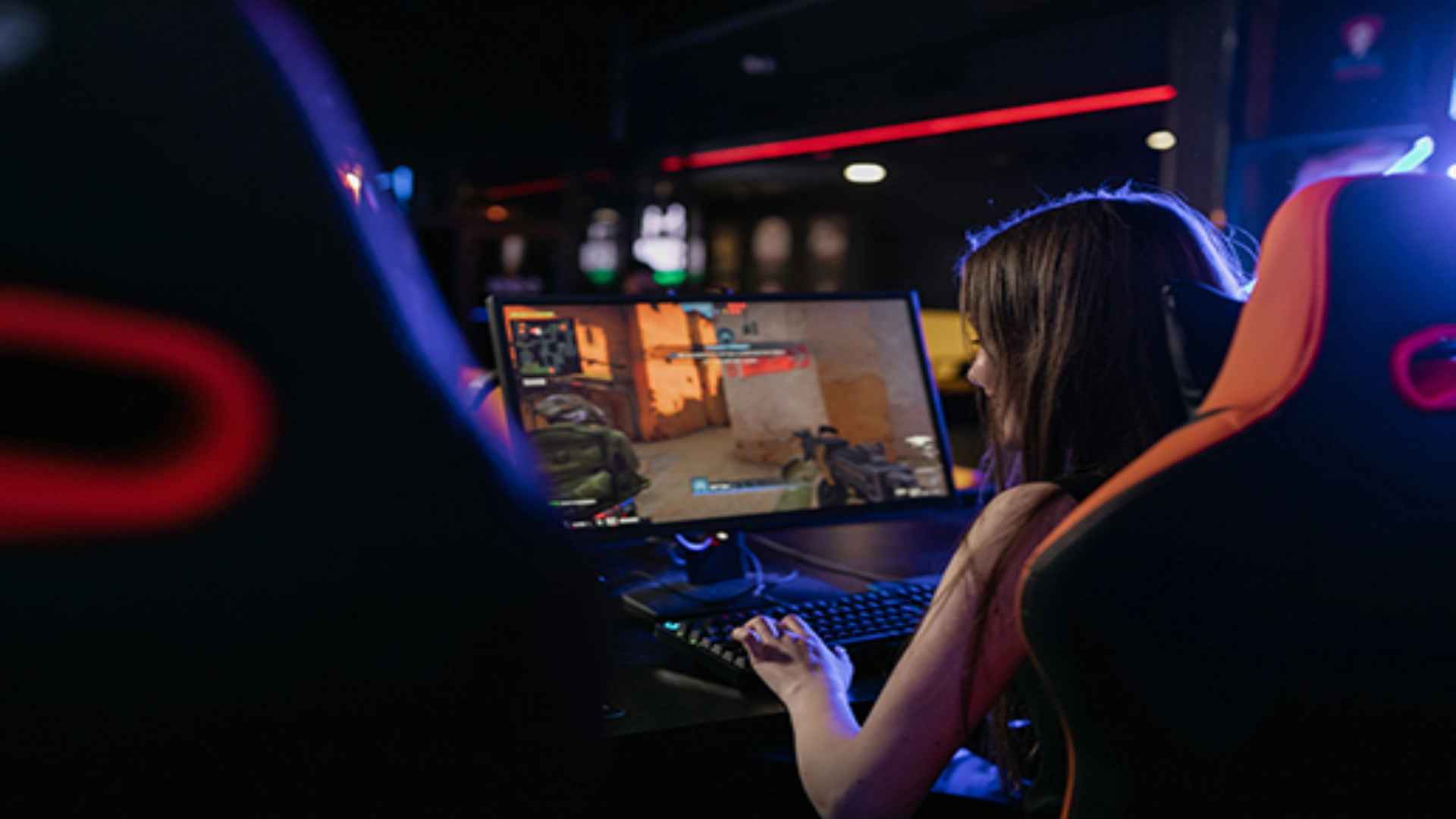
The landscape of online card gaming is changing rapidly as developers implement new architectural frameworks to enhance player performance. Modern desktop and mobile applications are moving away from monolithic designs to focus heavily on lightweight execution and low touch latency. These advancements ensure that players can interact with multi-table environments without facing system slowdowns or unexpected connection errors.
The Shift Toward Centralized Processing Frameworks
Engineering teams are rewriting core applications to handle massive real-time data streaming loops more efficiently during peak traffic hours. By leveraging multi-threaded processing, a modern poker client can balance intensive statistical calculations behind the scenes while keeping the main display fluid. This prevents the user interface from dropping frames when several active windows update their states simultaneously.
Furthermore, these optimized backend configurations allow casual and professional players alike to enjoy consistent stability across various operating environments. Dedicated installations isolate critical operations from non-urgent tasks to prevent local resource bottlenecks. Consequently, overall memory consumption decreases significantly, ensuring that older hardware setups can still manage demanding game variations seamlessly.
Enhancing Interface Ergonomics and Navigation Comfort
Modern user experience standards demand clean, minimalist layouts that actively reduce cognitive fatigue over extended playing sessions. Developers are replacing cluttered lobbies with customizable menu structures, allowing individuals to access important account configurations and game formats easily. Reducing visual noise across the primary table controls helps prevent accidental clicks during high-stakes decisions.
When exploring adaptive digital spaces, navigating through verified portals like the m88 link alternatif allows users to discover highly responsive software configurations engineered for global accessibility. Implementing unified design patterns guarantees that menu placements and betting sliders behave identically on different monitor resolutions. This structural uniformity allows players to maintain their tactical precision regardless of their current hardware layout.
Cross Platform Adaptability and Mobile Performance Engineering
As the player base transitions toward handheld convenience, engineers are prioritizing mobile-first rendering engines that do not drain battery life excessively. Portable applications utilize smart caching and optimized data compression protocols to minimize information packages sent over wireless networks. This ensures smooth gameplay transitions even in areas with fluctuating network coverage.
Additionally, modern cross-platform development toolkits allow updates to be deployed across desktop and mobile devices simultaneously without splitting the player community. These shared codebases ensure that security patches and structural updates remain consistent throughout the entire global network. By maintaining absolute functional harmony, platforms protect player data integrity while continually optimizing real-time responsiveness.
Robust Analytical Integration and Long Term Usability
Built-in tracking systems have evolved into sophisticated background utilities that compile detailed hand histories instantly without interrupting active sessions. Players can review historical metrics and objective performance logs through integrated dashboards rather than relying entirely on third-party software plug-ins. This native integration reduces background system strain and maintains the overall integrity of the gaming application.
Ultimately, the continuous refinement of server infrastructure guarantees a reliable and fair playing environment for future digital cardrooms. Development teams remain committed to updating communication protocols to adapt to modern network standards and prevent sudden interface desynchronization. Selecting a platform backed by verified engineering trends ensures a sustainable, high-performance arena for competitive strategy games.