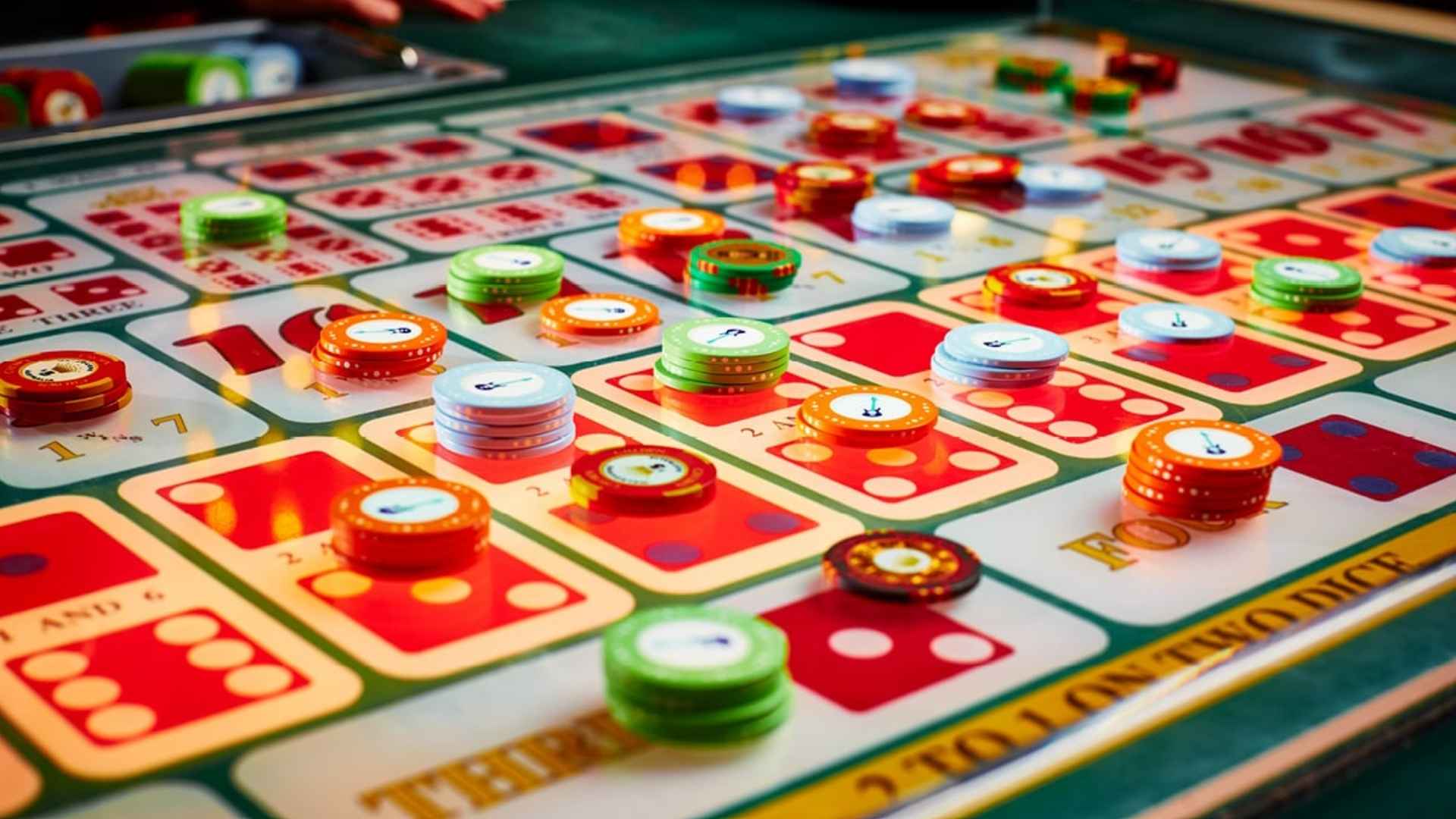
The global tabletop gaming landscape is witnessing a massive influx of innovative designs that challenge traditional ways of thinking. Modern board games have evolved far beyond basic mechanics, offering players complex systems that require fresh analytical approaches. Exploring these tactical challenges allows enthusiasts to discover unique paths toward creative problem-solving and long-term planning.
The Evolution of Modern Tabletop Mechanics
Traditional games often relied heavily on random chance, but contemporary designs prioritize deep tactical engagement and player agency. By introducing intricate resource management and variable player powers, these systems force participants to continuously adapt their strategies. This shift ensures that no two sessions feel identical, keeping the intellectual challenge alive for everyone involved.
Furthermore, the physical interaction of moving components helps players visualize complex scenarios in real time. This spatial awareness encourages individuals to experiment with unconventional methodologies they might not consider in digital environments. As a result, the tabletop medium remains an elite arena for sharpening real-world decision-making skills.
Cultivating Adaptability Through Dynamic Systems
One of the greatest benefits of modern strategy games is their ability to punish rigid thinking and reward flexibility. When unexpected player choices shift the state of the board, successful competitors must alter their approaches immediately. Developing this mental agility allows players to find alternative solutions to seemingly impossible obstacles.
For individuals looking to explore dynamic tactical scenarios across different platforms, visiting an interactive hub like the Link M88 Mansion can offer an intriguing shift in perspective. However, the structured environments found in physical tabletop games provide an unmatched foundation for analyzing risk versus reward. Mastering these tabletop systems helps individuals build a more robust framework for everyday tactical dilemmas.
How Interactive Themes Spark Creative Solutions
Thematic design plays a crucial role in framing how players approach an objective or outmaneuver their opponents. When a game seamlessly blends its mechanics with a rich narrative, players find themselves fully immersed in the tactical setting. This deeper immersion often leads to breakthrough moments where unconventional choices yield massive advantages.
Moreover, cooperative game modes push collective strategy to its absolute limits by requiring synchronized efforts among team members. Combining diverse intellectual strengths allows groups to discover complex synergies that a single player could never execute alone. These collaborative triumphs highlight how physical games continue to serve as powerful catalysts for innovative thinking.
Building a Collection Focused on Mental Growth
Curating a diverse library of strategic titles ensures you always have access to new cognitive challenges. It is beneficial to incorporate a mix of economic simulators, area control conflicts, and hidden information games to test different facets of your intellect. This balanced variety keeps your analytical instincts sharp over extended periods.
Ultimately, investing time in high-quality tabletop experiences offers substantial cognitive rewards that extend far beyond the game night. Engaging with multi-layered systems expands your mental horizons and introduces fresh angles for tackling real-world complexities. A thoughtful approach to tabletop gaming guarantees endless hours of profound intellectual enrichment.