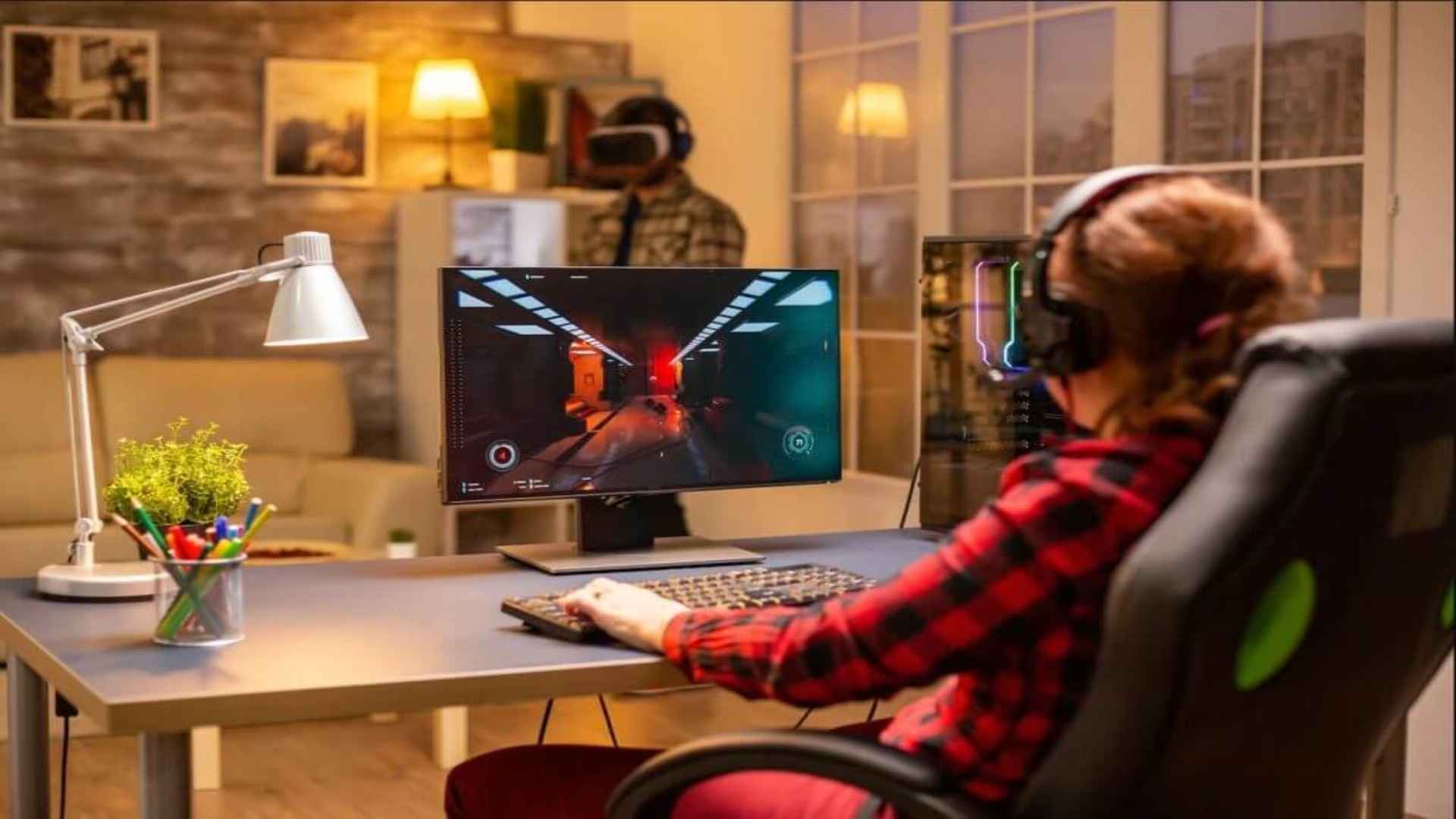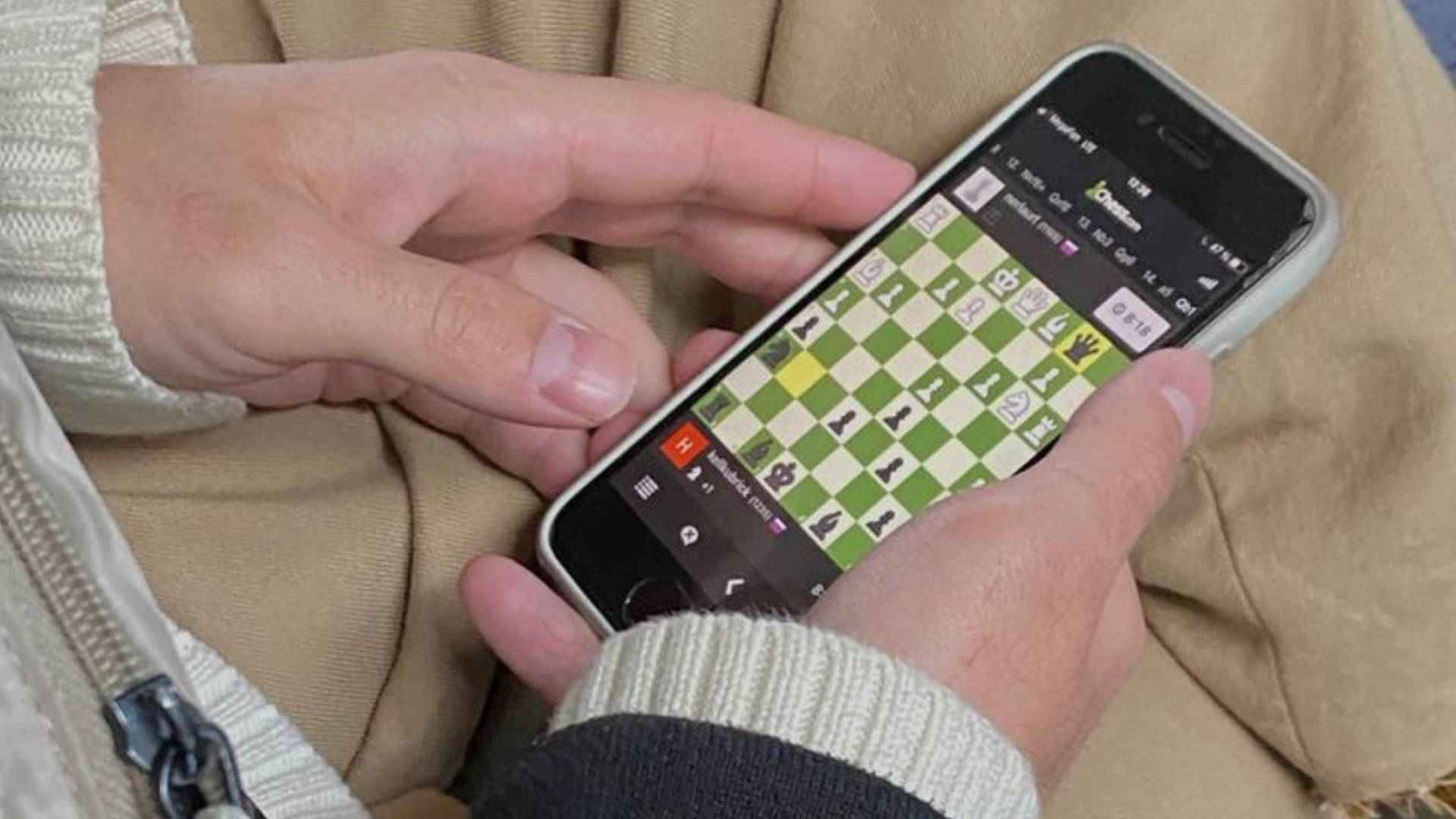
Participating in long competitive tournament sessions is as much a test of mental and physical endurance as it is of raw skill. Whether you are competing in digital gaming events, mind sports, or extended board game marathons, maintaining peak performance over several hours requires a structured approach. Developing a comprehensive strategy before the first round begins will keep your decision-making sharp when other players begin to tire.
Pacing and Energy Conservation
One of the most common mistakes competitors make is exerting maximum mental energy in the opening rounds. Just like in physical sports, pacing yourself ensures you have the focus needed for the highly critical final stages of the event. Successful players often treat the early phases as a steady warm-up, saving their deepest analytical efforts for high-stakes matches.
To support this pacing, incorporating brief mental resets between matches is highly recommended. Taking even two minutes to close your eyes and breathe deeply can prevent cognitive overload from accumulating too quickly. This deliberate conservation of energy can be the defining factor that carries you to the final table.
Physical Preparation and Hydration
Physical comfort plays a massive role in how well your brain functions during an extended competitive session. Ensuring your gaming chair, desk height, and room temperature are optimized will prevent physical fatigue from distracting your focus. Even minor discomfort can slowly erode your patience and lead to costly mechanical or strategic errors.
Furthermore, maintaining hydration is vital since even mild dehydration can significantly impair decision-making and memory. Keeping a water bottle nearby and opting for healthy snacks like nuts or fruit will keep your blood sugar stable throughout the day. For those who enjoy following professional competitive analyses, checking sports platforms like Msports can offer insights into how elite athletes manage their physical routines during long seasons.
Tactical Adaptability Under Pressure
When competitive sessions stretch over many hours, static game plans quickly become predictable to attentive opponents. The best competitors remain highly observant and adapt their tactics to match the changing environment of each round. Recognizing when to switch from aggressive play to a defensive stance can protect your tournament standing during difficult matches.
This adaptability also extends to how you handle unexpected setbacks or bad runs of cards or plays. Dwelling on past mistakes during a long tournament will quickly cloud your judgment for subsequent games. Accepting losses as temporary data points allows you to reset your mindset and approach the next round with absolute clarity.
Developing a Robust Mindset
A resilient mental attitude is the ultimate shield against the psychological pressure of a grueling competitive schedule. Expecting to face challenges and tough opponents helps reduce the anxiety that often accompanies critical moments. Maintaining a calm, positive inner dialogue prevents frustration from dictating your actual gameplay decisions.
Ultimately, long-term tournament success belongs to players who view endurance as a skill to be practiced and improved. By treating every long session as a valuable learning experience, you will naturally build the stamina needed for consistent victories. With the right mix of physical preparation, mental pacing, and tactical flexibility, you can conquer any extended competitive event.